The NEW Repossession System - How To Legally Reclaim Your Property
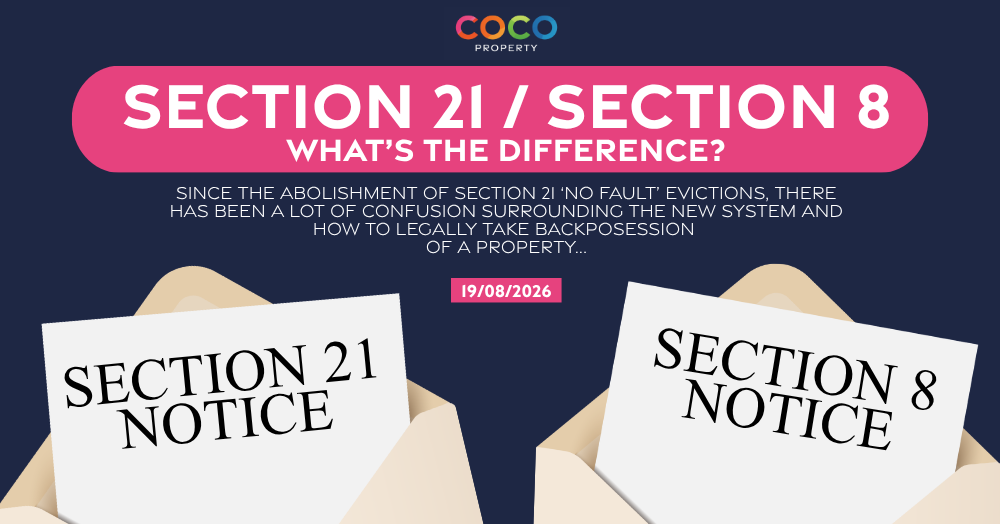
For years, Section 21 was one of the main ways landlords in England could get a rental property back. That changed on 1 May 2026, when Section 21 “no-fault” evictions were abolished... here's a quick breakdown of the new system that has replaced it.
Hello Section 8...
Landlords can no longer simply serve notice because they want their property back. Instead, you now need to use the Section 8 possession process and rely on a valid legal ground.
For landlords who want the property back because they plan to move into it or sell it, the two key grounds are:
- Ground 1 – the landlord or a qualifying family member wants to live in the property.
- Ground 1A – the landlord genuinely intends to sell the property.
These are now the main routes landlords need to understand in situations where they might previously have used Section 21.
Ground 1: You or Your Family Want to Move In
Ground 1 can be used where the landlord, or certain close family members, genuinely need the property as their main home. The definition of a valid family member has opened up to unmarried partners, parents, children, grandparents and grandchildren, having previously been limited to spouses or civil partners only.
It is a mandatory ground, which means that if the landlord follows the correct process and proves the ground applies, the court must grant possession.
A landlord cannot acquire possession under Ground 1 during the first 12 months of a tenancy, and you will need to give at least four months’ notice. The intention to move in also needs to be genuine.
Ground 1A: You Want to Sell
Ground 1A is for landlords who intend to sell the property.
Like Ground 1, it is a mandatory ground and normally requires four months’ notice. It also cannot usually be used to require possession during the first 12 months of the tenancy.
If the matter ends up in court, landlords should be ready to show that the intention to sell is real, for example by showing that an estate agent has been instructed.
What is the difference?
The distinction is fairly simple.
Ground 1 is about moving in.
Ground 1A is about selling.
A landlord cannot just pick whichever ground seems easiest and Grounds 1 and 1A cannot be used simply as a workaround for the old Section 21 process. If a landlord says they intend to sell or move in, that intention must be genuine.
No Re-Lets During Restriction Period...
There are heavy restrictions on quickly putting the property back on the rental market after using these grounds. Once notice has been served and the 12 month period comes into effect, Landlords cannot simply change their mind on letting out their property again. It must be used for the exact reason they claimed repossession for.
This means that under Ground 1/1A, a property cannot be used for:
- New tenancies
- Private holiday let
- AirBnB
- Marketing for above purposes
*during the 12 month restriction period
Serving notice does not automatically mean the tenant has to leave
A Section 8 notice is the start of the process, not the end of it.
If the tenant does not leave when the notice expires, the landlord must apply to the court for a possession order. If the tenant still stays after that, further court enforcement may be needed.
So, as before, landlords need to make sure the correct process is followed from start to finish.
What has changed for landlords?
The easiest way to think about it is this:
Section 21 allowed landlords to seek possession without giving a reason. Section 8 now requires a legally recognised reason.
If you want the property back because you or your family plan to live there, Ground 1 may apply.
If you genuinely want to sell, Ground 1A may apply.
Other Section 8 grounds still cover things like rent arrears, tenancy breaches and antisocial behaviour.
So while Section 21 has gone, landlords can still regain possession where there is a valid reason. The key is using the right ground, giving the right notice and following the correct legal process.
Got More Questions?
If you require more help or support regarding the recent Renters Rights Act changes, then we'd be more than happy to assist you! Feel free to give us a call or drop us an email and one of our experienced team members will be ready to answer your queries:
📨lettings@cocoproperty.co.uk
☎️01305 824455